The Art of Becoming
Books About Self Discovery
Some books give you answers to borrow. This one gives you questions worth keeping. The Art of Becoming is a 70-Mirror practice for readers ready to examine what has shaped them and choose more deliberately what comes next.
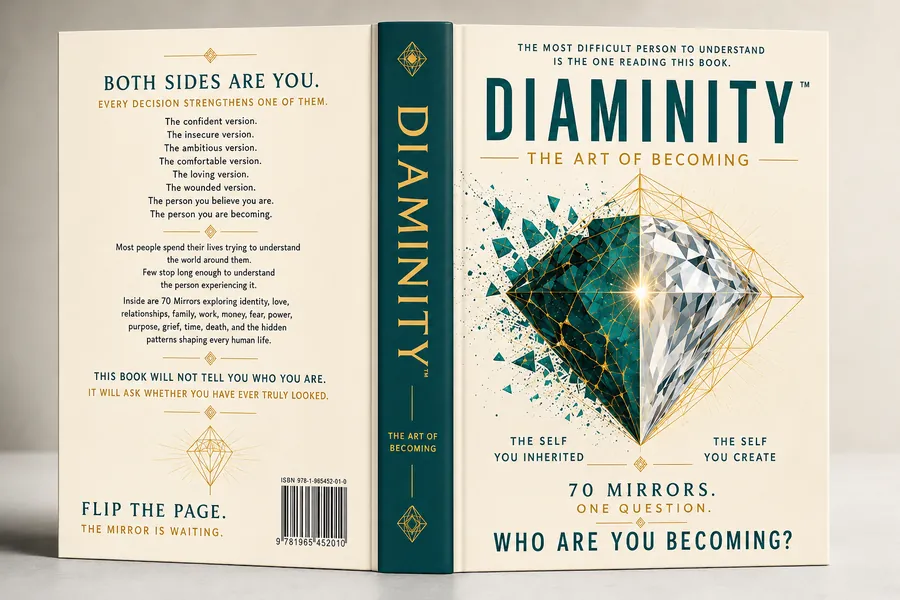
A book of return
Self-discovery begins with a closer look.
There are times when the life you have built no longer explains the life you want. A role that once fit becomes too small. A familiar ambition stops feeling like yours. The answers that helped you move forward start asking to be questioned.
The Art of Becoming was made for that moment. It is not a system for fixing yourself or a list of rules for becoming someone else. It is a book of 70 focused reflections, called Mirrors, that help you look at the beliefs, habits, fears, and desires that quietly shape your choices.
Each Mirror gives you a place to pause, notice what has been operating in the background, and decide what deserves your loyalty now. The work is personal, but it is not vague. It begins with the life you are already living.
Pre-order for $45 →For the questions that return
A different kind of personal growth book.
Not a personality to perform. Self-discovery can become another search for the right label, the right routine, or the right version of yourself to present. This book asks a more useful question: what is true about the way you are living, and what do you want to do with that truth?
Not a shortcut around uncertainty. A real change in direction rarely arrives as a clean answer. It asks you to sit with a question long enough to see the assumptions beneath it. The Mirrors make room for that slower, more honest kind of thinking.
Not a book you outgrow in one sitting. The question you bring to a chapter at twenty-five may be different from the one you bring at forty. The book is designed to return with you, because your life keeps giving old questions new meaning.
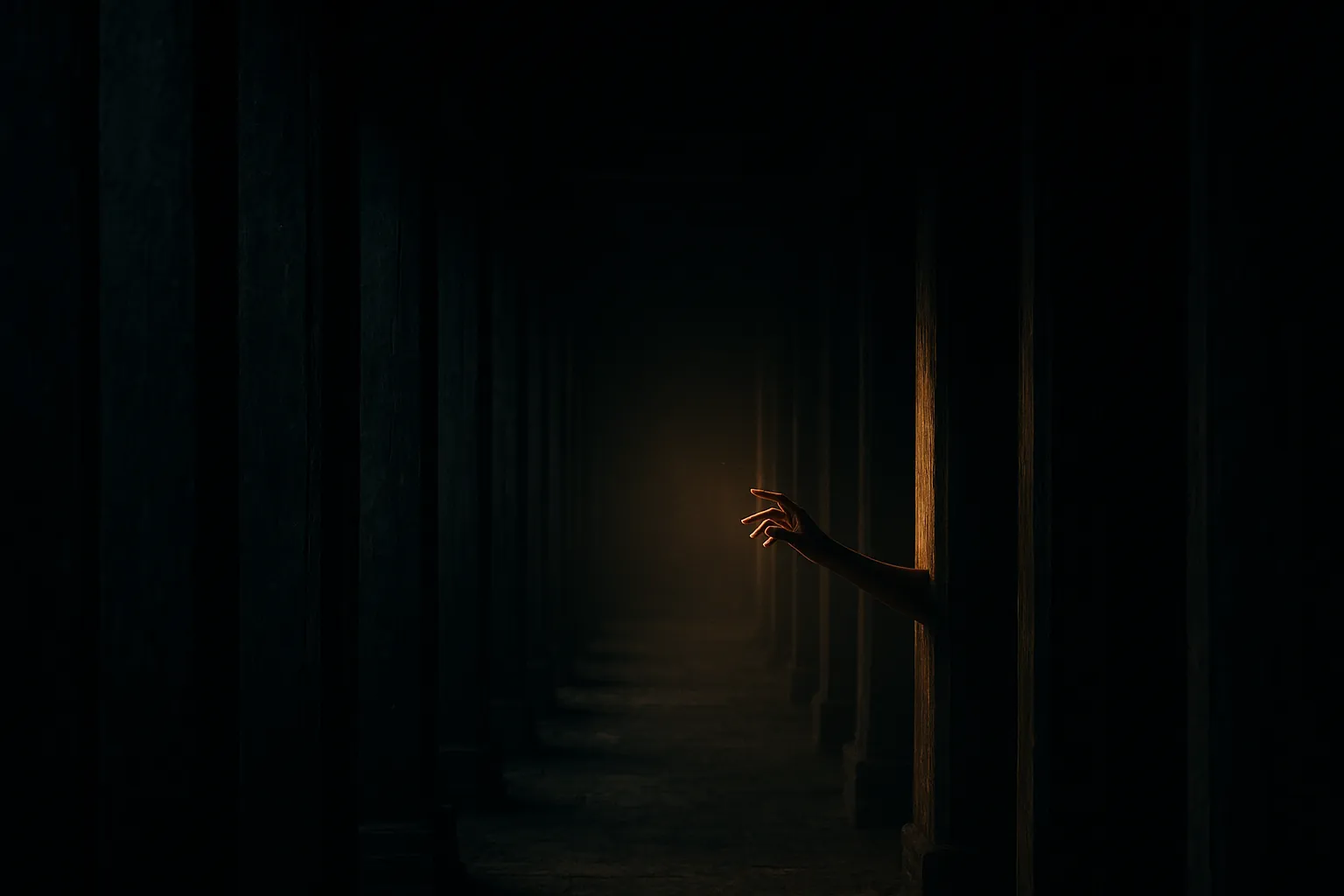
A practice of attention
Find the pattern before it chooses for you.
Many people come to self-discovery because something keeps repeating. The same kind of relationship. The same private doubt after a public success. The same promise to change that disappears when life gets busy. Repetition is frustrating, but it is also information.
The Mirrors give that information somewhere to go. A reflection on identity asks what you inherited before you had the chance to choose. A reflection on shame separates a mistake from a fixed definition of who you are. A reflection on ambition asks whether the goal in front of you is still yours.
This is the difference between replaying your life and learning from it. You are not asked to judge every reaction. You are asked to notice it clearly enough that another response becomes possible.
Explore the 70 Mirrors →Seventy places to begin
The whole life belongs in the conversation.
The Self. Begin with the roles, stories, confidence, shame, and authenticity that influence how you see yourself. These Mirrors help you look at the version of you that was shaped by expectation, then ask what remains when you stop performing for approval.
Love, family, and friendship. The people closest to us reveal the habits we bring to intimacy, belonging, forgiveness, conflict, and care. The book makes room for the tenderness of those relationships without pretending they cannot also hold old wounds and difficult choices.
Work, money, body, and mind. The way you pursue success, respond to scarcity, treat your body, and direct your attention all carry a story about what you believe you are worth. Reflection makes those stories easier to recognize before they become the only available way to live.
Time and the world. Questions about regret, change, mortality, technology, power, and truth belong here too. Self-discovery is not only about looking inward. It changes how you show up in a changing world and what you choose to make of the time you have.
How to use the book
Begin with the question that has found you.
Read for recognition. Start with the part of life that feels most present. You may be working through the fear of disappointing someone, questioning a goal you once wanted, or noticing how often you become smaller to keep the peace. Let the relevant Mirror give language to what you have already begun to sense.
Stay with what has weight. You do not need to turn every chapter into an assignment. A line that makes you pause, disagree, or feel exposed is often enough. Mark it. Write down the question it raises. Notice where that question appears again in the week ahead.
Return when the circumstances change. The point is not to complete a program and declare the work finished. A Mirror about confidence can mean one thing when you are afraid to begin and another when you have achieved what you thought you wanted. Returning lets your own experience become part of the reading.
Make the next choice smaller and truer. Reflection matters when it changes the quality of your attention. You may not leave with a dramatic answer. You may leave with one honest conversation to have, one promise to revise, or one old story you no longer need to repeat. That is enough to begin.
For uncertain seasons
When the old answer no longer fits.
People often reach for a book about self-discovery at a threshold: after a relationship changes, when work no longer feels meaningful, during a move, a loss, a new responsibility, or the quiet realization that a familiar life has become too narrow. You do not need a crisis to begin looking more closely. But you do need enough honesty to admit that an old answer may have run its course.
The Art of Becoming does not insist that you throw away everything you inherited. Some beliefs, commitments, and relationships remain worth carrying. The work is becoming discerning enough to tell the difference between what still gives life and what asks you only to repeat yourself.
That discernment is not a performance of certainty. It is a practice. A Mirror can help you ask whether fear is protecting you or limiting you, whether ambition is calling you forward or asking you to prove something, and whether a habit is genuinely yours or simply familiar. The answer can take time. The question is still worth keeping close.
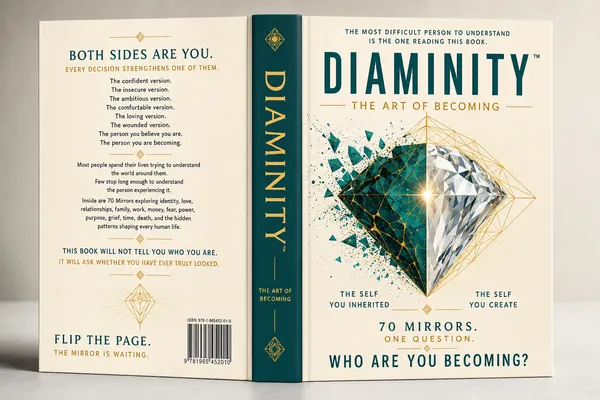
The first edition
Made to stay within reach.
The first edition of The Art of Becoming is a numbered hardcover, linen-bound and foil-stamped for the kind of reading that benefits from return. It contains all 70 Mirrors across ten parts of human experience.
It is a companion for a night when you need to name what has been bothering you, a morning when a decision has become unavoidable, or a season when the old map no longer reaches where you are going. Read one Mirror, make a note in the margin, and let the question keep working after the page ends.
A private sampler of the first ten Mirrors is also available for readers who want to spend time with the opening questions before the book arrives.
Frequently asked questions
Before you begin.
What makes The Art of Becoming a self-discovery book?
The book is built around 70 focused Mirrors, each one asking a question about identity, relationships, work, fear, time, or meaning. Rather than promising a finished version of you, it gives you a place to examine the patterns and stories already shaping your life.
Is this a book to read straight through?
You can read it from the beginning, but you do not have to. The Mirrors are designed to meet the question you are living with now, then welcome you back when that question changes.
Who is The Art of Becoming for?
It is for readers who want a more honest relationship with their choices, habits, relationships, and ambitions. It is especially suited to someone who has outgrown an old definition of success or self and wants room to think before deciding what comes next.
What is included in the first edition?
The first edition is a numbered, linen-bound, foil-stamped hardcover containing all 70 Mirrors across ten parts. It is available to pre-order for $45, with a target release date of September 22, 2026.